For Emergency: +919053267890 | Address: Plot No. 28, Shaheed Major Vikas Yadav Marg, Gurugram | IPI | Get Directions

PRP vs Shockwave Therapy for ED treatment

Erectile dysfunction has moved well beyond a pill-only conversation. Two regenerative, non-surgical treatments now dominate the discussion among men looking for a more lasting solution: Platelet-Rich Plasma therapy — popularly known as the P-Shot — and Low Intensity Extracorporeal Shock Wave Therapy (LI-ESWT). Both aim to restore natural erectile function rather than simply enable an erection temporarily, but they work through very different biological mechanisms, and the right choice depends heavily on the underlying cause of a man’s ED. PRP vs Shockwave therapy, which one is better, lets find out.
How PRP (P-Shot) Works
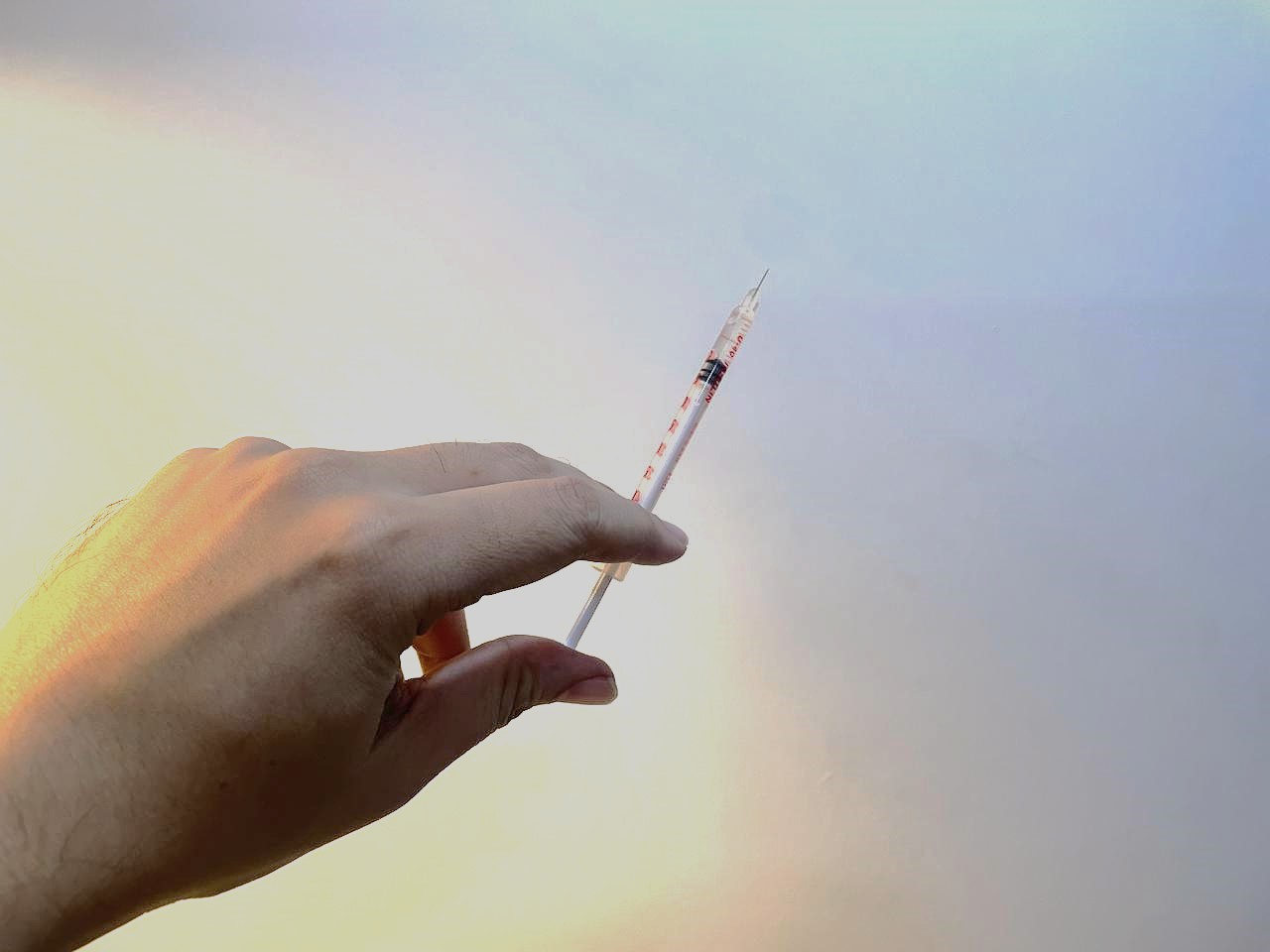
The P-Shot involves drawing a small sample of the patient’s own blood, spinning it in a centrifuge to concentrate the platelets, and injecting this platelet-rich plasma into specific areas of the penis. Platelets are rich in growth factors that trigger tissue repair, stimulate new blood vessel formation, and may improve nerve sensitivity. Because it uses the patient’s own blood, allergic reaction risk is minimal, and the procedure is done in a single sitting, though effects build gradually over subsequent weeks or months.

How Li-ESWT Works
LI-ESWT uses low-energy acoustic pulses delivered externally through a probe placed against the penile tissue. These pulses stimulate angiogenesis — the growth of new arteries — and are believed to activate stem cells already present in the tissue, improving blood flow to the erectile chambers over a course of treatment sessions, typically spread across several weeks.
Comparing the Two Therapies
| Particulars | PRP (P-Shot) | Li-ESWT |
|---|---|---|
| Mechanism | Injected growth factors trigger tissue repair and angiogenesis | External acoustic pulses trigger angiogenesis and stem cell activation |
| Invasiveness | Minimally invasive (injection-based) | Completely non-invasive (no needles) |
| Number of sessions | Usually 1–2 sessions, sometimes repeated after months | Typically 6–12 sessions over several weeks |
| Pain/discomfort | Mild injection discomfort; topical anaesthesia is used to reduce this. | Minimal to none; mild tingling or warmth |
| Downtime | Little to none; mild swelling or bruising possible | None; resume normal activity immediately |
| Best suited for | Men with mild ED, Peyronie’s-related concerns, or those seeking tissue rejuvenation and sensitivity improvement | Men with vascular-cause ED, particularly those with reduced blood flow on Doppler evaluation |
| Onset of results | Gradual, often noticeable within 4–6 weeks | Gradual, often noticeable after 3–4 sessions onward |
| Evidence base | Growing, though fewer large randomized trials than LI-ESWT | Larger and more established body of clinical evidence for vascular ED |
| Cost per course | Often higher per session, fewer sessions overall | Lower per session, but more sessions needed |
| Combinability | Can be combined with LI-ESWT for a synergistic approach | Can be combined with PRP for a synergistic approach |
Which One Is Right for You?
Neither therapy is universally “better” — the right choice depends on your specific diagnosis:
- If your ED stems primarily from poor blood flow (identified via a penile Doppler ultrasound), LI-ESWT has the stronger evidence base and is often the first-line regenerative option.
- If you have mild ED with a desire for tissue rejuvenation, are managing early Peyronie’s disease, or want to address reduced sensitivity alongside erectile quality, PRP may be more suitable.
- Many specialists now recommend a combination protocol, using LI-ESWT to improve vascular supply and PRP to support tissue regeneration — leveraging both mechanisms for a more comprehensive outcome.
The only way to know which path — or combination — fits your case is through a proper diagnostic workup, not a generic treatment package offered without evaluation.
The Common Thread: Diagnosis Before Treatment
Both PRP and LI-ESWT are regenerative therapies, not quick fixes, and both depend on accurate patient selection to work well. A man with severe vascular disease or a primarily psychological cause of ED may not respond meaningfully to either therapy alone. This is why a proper evaluation — history, examination, and relevant vascular testing — should always precede treatment selection, regardless of which therapy sounds more appealing.
Ready to Find Out What’s Right for You?
Choosing between PRP and LI-ESWT isn’t about which trend sounds more advanced — it’s about matching the therapy to the actual cause of your ED.
Book a consultation with a qualified urologist or andrologist to get properly evaluated, and find out whether PRP, LI-ESWT, or a combination of both is the right path toward lasting improvement.


